



What the Terrorism (Protection of Premises) Bill Means and How to Prepare
What is Martyn’s Law?
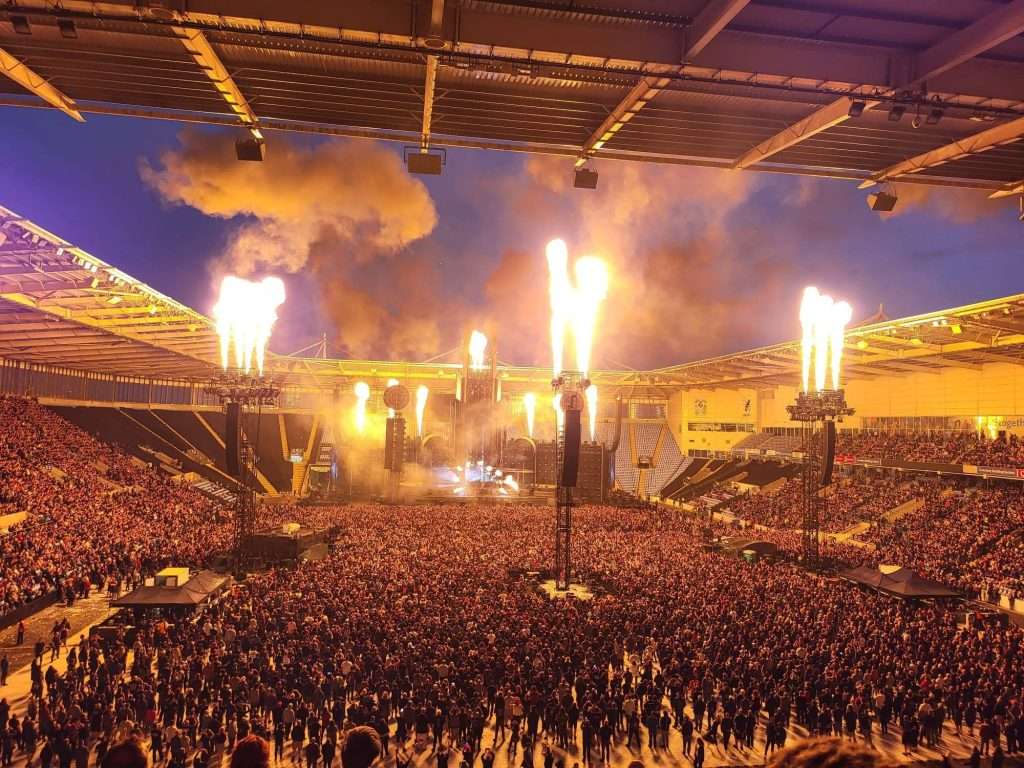
Martyn’s Law, formally known as the Terrorism (Protection of Premises) Bill, is UK legislation designed to improve security and preparedness in publicly accessible venues. The law requires organisations responsible for venues with a capacity of 100 people or more to implement proportionate security measures to reduce the risk of terrorist attacks and improve emergency response.
The legislation was introduced following the Manchester Arena attack in 2017 and aims to create a consistent national framework for public space security, while allowing flexibility based on venue size, use, and risk profile.
Martyn’s Law has been passed and will become fully enforceable in 2027.
Martyn’s Law at a Glance
- Legislation: Terrorism (Protection of Premises) Bill
- Common name: Martyn’s Law
- Applies to: Publicly accessible venues with capacity of 100+
- Security tiers: Standard Tier: 100–800 capacity, Enhanced Tier: 800+ capacity
- Implementation period: 2025–2027
- Full enforcement: 2027
- Regulator: Security Industry Authority (SIA)
Who Does Martyn’s Law Apply To?
Martyn’s Law applies to a broad range of venues and spaces that are open to the public. This includes permanent sites and temporary or event-based locations.
Sectors affected include:
- Stadiums and arenas
- Concert halls and theatres
- Retail parks and shopping centres
- Universities, colleges, and schools
- Places of worship
- Public buildings and transport hubs
- Healthcare facilities
- Festivals, fairs, and temporary events
Any organisation responsible for managing these premises will be legally required to assess risk and implement appropriate protective measures.
Security Tiers Explained
Standard Tier (100–800 capacity)
Venues in the Standard Tier are expected to implement low-cost, practical measures, such as:
- Staff security awareness training
- Basic emergency and evacuation procedures
- Clear incident response planning
Enhanced Tier (800+ capacity)
Larger or higher-risk venues must introduce more robust security arrangements, including:
- Professional security risk assessments
- Upgraded CCTV and surveillance systems
- Access control and physical security enhancements
- Detailed contingency and incident response plans
Understanding which tier your venue falls into is critical for compliance.

Legal and Operational Responsibilities
Martyn’s Law introduces clear obligations for venue operators and duty holders, including:
- Defined accountability for security at management level
- Mandatory staff training in threat recognition and emergency response
- Documented risk assessments and security plans
- Regular review and adaptation of procedures as threats evolve
- Installation or upgrade of security systems, where appropriate
Enforcement will sit under a new regulatory function within the Security Industry Authority (SIA). Failure to comply may result in enforcement notices, financial penalties, restrictions on operations, and reputational damage.
A Practical 5-Step Framework for Compliance
To help organisations prepare in a structured and proportionate way, Clearway recommends a five-step approach:
1. Audit
Evaluate existing security measures and identify gaps through a professional risk assessment.
2. Plan
Develop a tailored security and compliance roadmap, including evacuation, lockdown, and communication procedures.
3. Equip
Deploy appropriate technologies such as CCTV, access control systems, barriers, and screening solutions.
4. Train
Ensure all staff understand how to identify threats, respond to incidents, and follow established procedures.
5. Monitor
Implement continuous monitoring and improvement using smart surveillance and real-time intelligence.
This framework allows venues to move beyond minimum compliance toward meaningful preparedness.

The Role of AI, CCTV, and Smart Surveillance
Modern public space security is increasingly proactive. AI-enabled CCTV and smart surveillance systems can:
- Detect suspicious behaviour in real time
- Identify abnormal patterns and anomalies
- Monitor crowd flow, congestion, and loitering
- Integrate with access control, alarms, and monitoring centres
- Deploy flexibly for temporary events or changing risk profiles
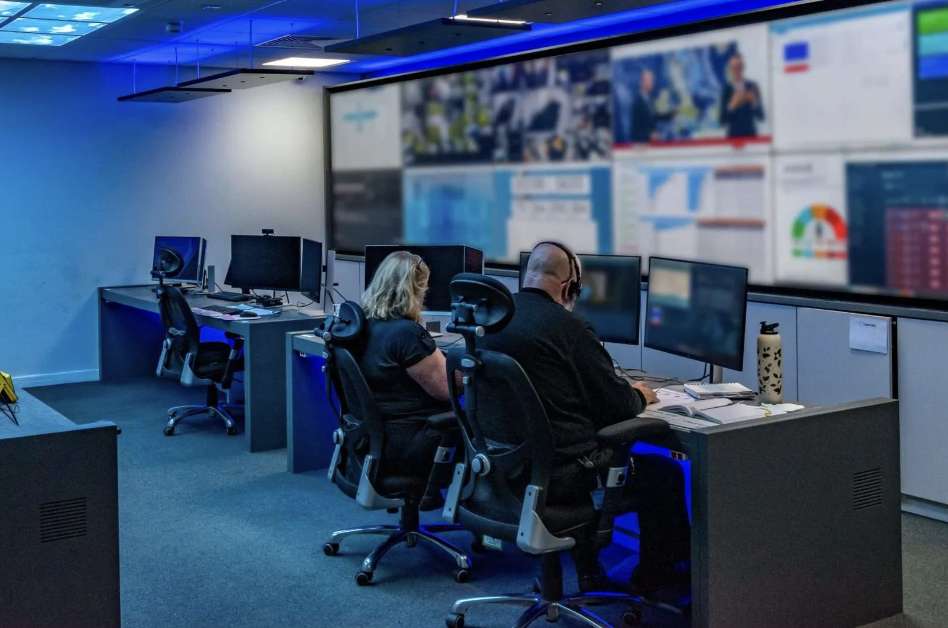
When supported by 24/7 professional monitoring, these technologies enable faster decision-making and early intervention.
Who This Guide Is For
This guide is relevant to:
- Venue owners and operators
- Security and compliance managers
- Event organisers
- Facilities and estates teams
- Local authorities and public sector bodies
Anyone responsible for public safety in publicly accessible spaces should understand how Martyn’s Law applies to their organisation.
Download the White Paper: A Practical Guide to Martyn’s Law
This article summarises key points from Clearway’s white paper:
Martyn’s Law and the Future of Public Space Security: A Practical Guide for UK Venue Operators
The white paper provides:
- A detailed breakdown of legal requirements
- Clear explanations of Standard and Enhanced Tier obligations
- Real-world case scenarios
- Practical guidance on preparing for compliance
- Insight into how technology can support safer public spaces
Martyn’s Law: Frequently Asked Questions (FAQs)
What is Martyn’s Law in simple terms?
Martyn’s Law is UK legislation that requires publicly accessible venues to take proportionate steps to protect people from terrorist threats. It focuses on preparedness, staff training, risk assessment, and appropriate security measures based on the size and risk profile of a venue.
When does Martyn’s Law come into force?
Martyn’s Law has been passed and will be introduced through a phased implementation period, becoming fully enforceable in 2027. This gives venue operators time to assess risks, upgrade security, and train staff.
Which venues does Martyn’s Law apply to?
Martyn’s Law applies to publicly accessible venues with a capacity of 100 people or more. This includes permanent venues such as arenas, shopping centres, and universities, as well as temporary or event-based venues such as festivals and fairs.
Does Martyn’s Law apply to small venues?
Venues with a capacity of 100 to 800 people fall under the Standard Tier. These venues are expected to implement low-cost, practical measures, such as staff training, basic emergency procedures, and clear security planning. Requirements are proportionate and not intended to be burdensome.
What is the difference between Standard Tier and Enhanced Tier?
Standard Tier (100–800 capacity):
Focuses on staff training, emergency planning, and basic preparedness.Enhanced Tier (800+ capacity):
Requires more robust measures, including professional risk assessments, CCTV and surveillance upgrades, access control, and detailed contingency plans.
The tier is determined primarily by venue capacity and risk.
Who is responsible for compliance with Martyn’s Law?
The duty holder, typically the venue owner, operator, or managing organisation, is legally responsible for compliance. This includes ensuring risk assessments are completed, staff are trained, and appropriate security measures are in place.
What happens if a venue does not comply with Martyn’s Law?
Non-compliance may result in enforcement action by the Security Industry Authority (SIA), including compliance notices, financial penalties, operational restrictions, and reputational damage. Failure to comply may also affect insurance and the ability to host events.
Is CCTV required under Martyn’s Law?
CCTV is not mandatory for all venues, but it is strongly recommended for Enhanced Tier venues and higher-risk environments. The law requires proportionate security measures, which may include CCTV, access control, or other surveillance systems depending on risk assessment outcomes.
How does AI-enabled CCTV support Martyn’s Law compliance?
AI-enabled CCTV supports compliance by enabling:
- Real-time detection of suspicious behaviour
- Identification of unusual patterns or anomalies
- Crowd flow and congestion monitoring
- Faster response through integration with monitoring centres
These capabilities help venues move from reactive security to proactive threat prevention.
Does Martyn’s Law apply to schools and universities?
Yes. Universities, colleges, and certain school environments that are publicly accessible or host large numbers of people may fall within scope, depending on capacity and use. Risk assessments are essential to determine tier and requirements.
Does Martyn’s Law apply to places of worship?
Yes. Places of worship that are publicly accessible and meet capacity thresholds may be required to comply. The legislation is designed to be proportionate and supportive, recognising the unique nature of these environments.
How can venues prepare for Martyn’s Law now?
Venues can prepare by:
- Conducting a professional security risk assessment
- Identifying which tier applies
- Reviewing staff training and emergency procedures
- Assessing existing security systems
- Developing a clear compliance roadmap
Early preparation reduces risk and avoids last-minute compliance pressures.
Where can I find full guidance on Martyn’s Law?
Clearway has published a comprehensive white paper:
Martyn’s Law and the Future of Public Space Security: A Practical Guide for UK Venue Operators
It provides practical explanations, real-world scenarios, and clear guidance for compliance.
Download the white paper from Clearway to access the full guidance.
Why should venues work with a security partner for Martyn’s Law?
Martyn’s Law combines legal, operational, and technical requirements. Working with an experienced security partner helps ensure:
- Proportionate and compliant solutions
- Correct interpretation of tier requirements
- Integration of people, process, and technology
- Ongoing monitoring and continuous improvement
This reduces risk while improving public safety and confidence.
About Clearway
Clearway is an international security services provider specialising in the protection of people, property, and assets. We support venues of all sizes with scalable, legally compliant security solutions, including:
- Security risk assessments
- AI-enabled CCTV and smart surveillance
- Access control systems
- Staff training and response planning
- 24/7 monitoring via our NSI Gold Cat II Alarm Receiving Centre (ARC)
- Mobile and temporary security solutions for events and outdoor venues
Our focus is not just compliance, but peace of mind, business continuity, and public reassurance.

Daniel Meeajane 
Business Development Director, Clearway Fire and Security
Daniel Meeajane is a Business Development Director for Clearway Fire and Security.
Having been involved in some major projects and achieving successful results Daniel uses his knowledge and experience to leverage awareness in Fire Protection. To do this a deep understanding of the BS 5839 PT1 is required along with keeping updated on the latest technology.
Recent posts
Security Trends for 2026: How Technology and Insight Are Reshaping Commercial Protection
Tue Mar 10 2026
Mon Mar 9 2026
CCTV Signage Rules: Do you need signs for CCTV?
Mon Mar 9 2026